Maximizing your lift lifespan

Read more
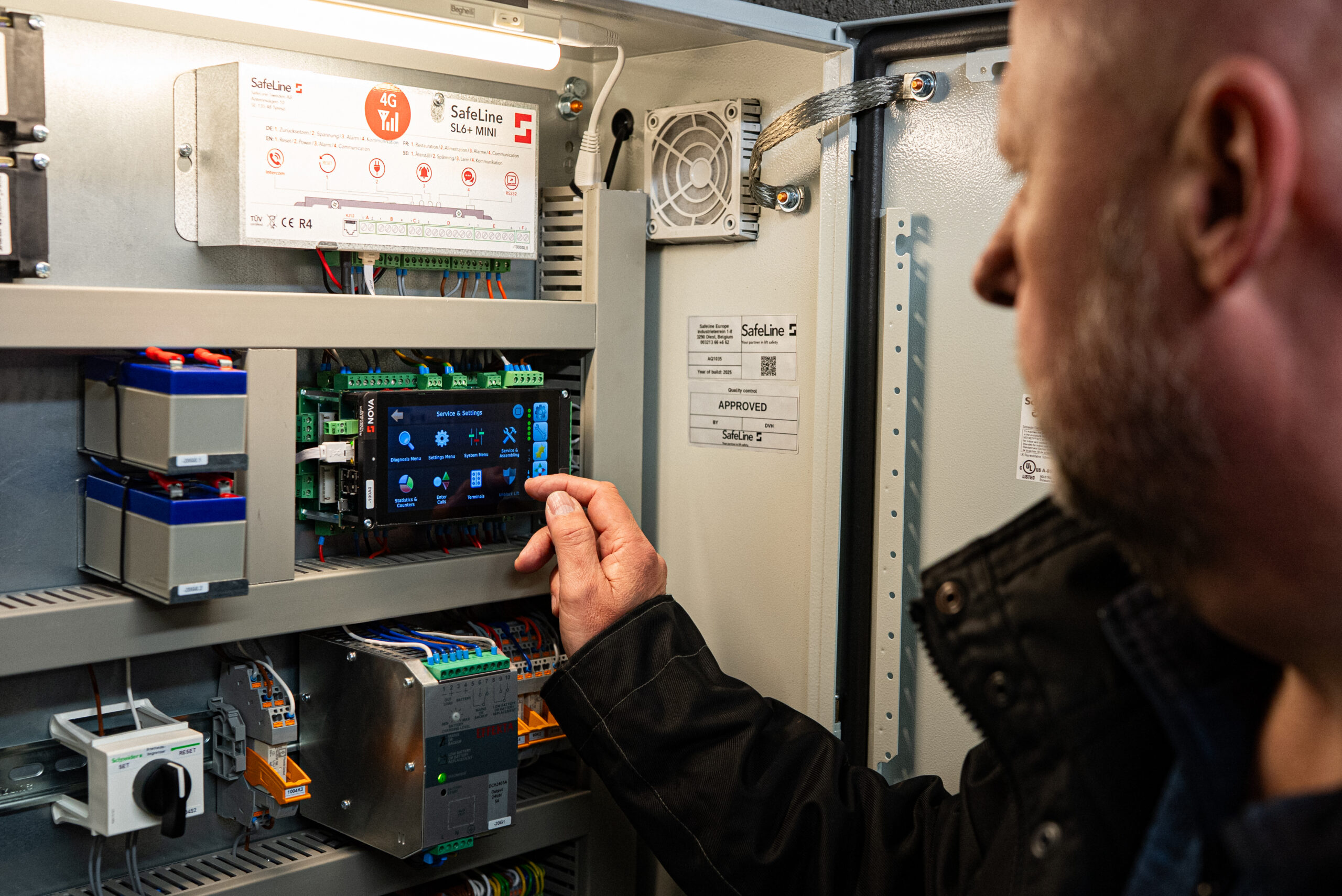
A long lift lifespan doesn’t happen by chance – it’s engineered. And in high-demand environments, software makes the difference. Because no matter how solid the mechanical system is, without intelligent control and early insight, its lifespan will suffer. That’s why more and more teams turn to lift controllers that are built for precision, performance, and predictive diagnostics – not guesswork.

Early detection is key to longer system life

  • Unbalanced mechanical wear
  • Environmental stress factors
  • Variations in travel speed and timing
  • Irregular power usage or control signals

From scheduled service to condition-based action

  • Align service intervals with component status
  • Avoid unnecessary part replacements
  • Identify potential failures before they impact users

Why legacy controllers shorten lift lifespan

  • Monitor system health over time
  • Understand usage patterns
  • Detect anomalies before they escalate

Choosing technology that supports long-term performance

It requires:
  • Robust, future-ready control systems
  • Continuous performance data
  • Integration with modern building infrastructure
  • A maintenance team supported by actionable insight

Want to improve uptime and extend the life of your lift systems? Book a demo →

Frequently asked questions

How can I extend my lift's lifespan?

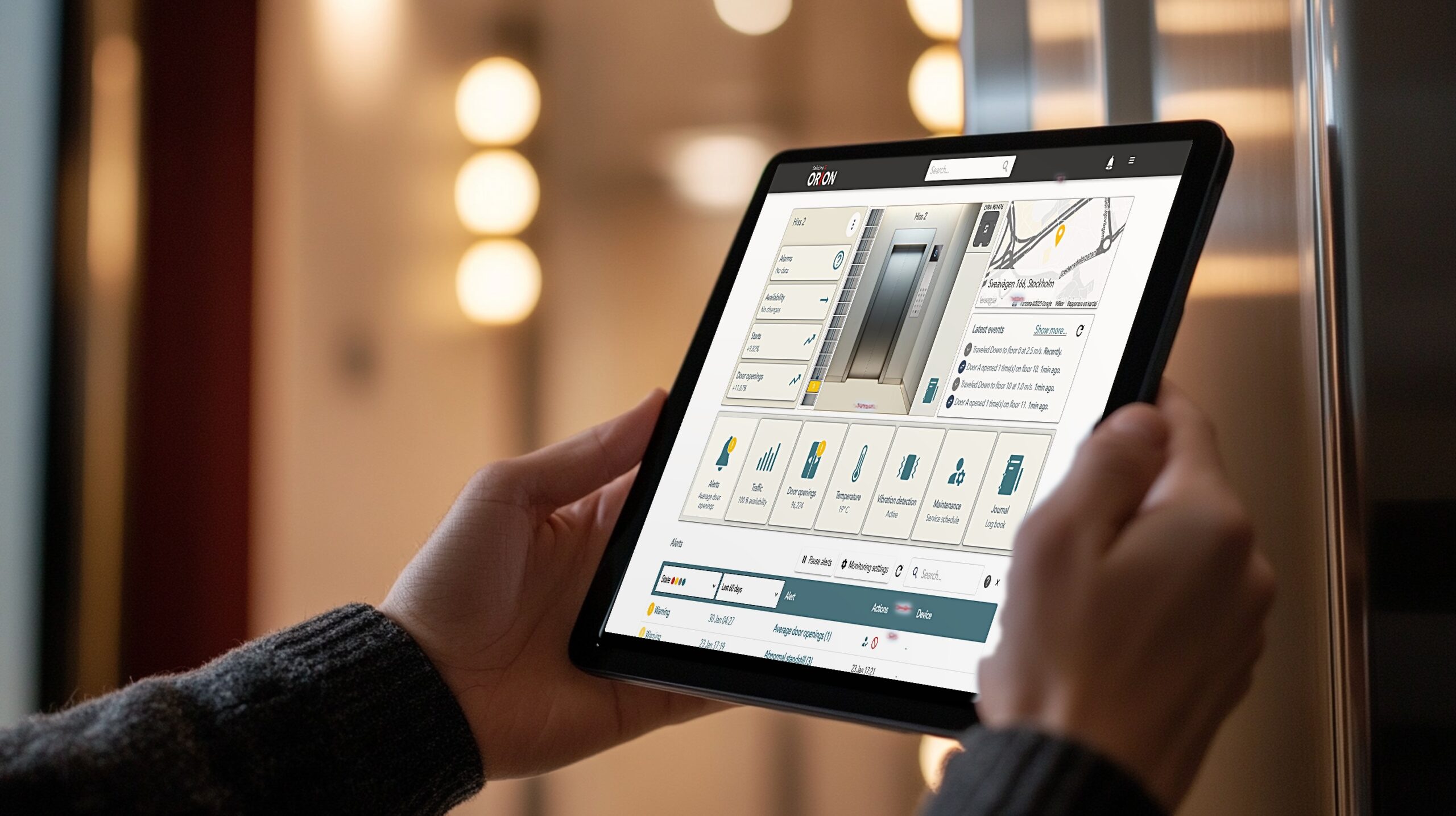
Regular condition-based servicing, combined with a lift controller that monitors performance data in real time, is the most effective approach. Early detection of wear patterns, power anomalies, and travel irregularities prevents small issues from becoming costly failures – and keeps the system operating within design parameters for longer.

What is the average lift lifespan?

A well-maintained lift typically lasts 20–25 years. With modern lift controllers that support predictive diagnostics and condition-based maintenance, operational life can extend well beyond that – by reducing mechanical stress and preventing premature component failure before it occurs.

Do I need to replace the entire system to improve lift lifespan?

Not necessarily. In many cases, upgrading the lift controller is the most cost-effective intervention. A modern controller with built-in performance monitoring and diagnostic capability can extend the useful life of an existing installation without a full system replacement.

How does predictive maintenance impact lift lifespan?

Predictive maintenance shifts servicing from fixed intervals to component-based decisions. Instead of replacing parts on a schedule, you replace them when data shows they need it – reducing unnecessary wear from over-servicing and preventing failures from under-servicing. Both directly shorten lifespan when left unchecked.

Is controller technology really a limiting factor in lift lifespan?

Yes. Legacy controllers without diagnostic capability cannot flag early warning signs, leaving teams to react to failures rather than prevent them. Modern controllers with continuous health monitoring enable the proactive maintenance decisions that directly extend operational lifespan.

Want to learn more about SafeLine Orion?

Resources

People talking inside a lift car

Disabled refuge systems and evacuation lifts: a UK guide

In short: A disabled refuge system is a two-way emergency voice communication (EVC) system. It lets a person waiting in a refuge area during a fire talk to the...
SafeLine Orion lift monitoring platform dashboard shown on a laptop

How to choose a lift monitoring platform

How to choose a lift monitoring platform: check brand independence, data ownership, and that it does not connect to the lift’s control system.

What is CAN bus? How CANopen-Lift works in lift control systems

CAN bus lets lift controllers, drives, door operators and other devices share one network. Here is how it works, what CANopen-Lift (CiA 417) adds, and why it matters...
Independent SafeLine Orion record of completed lift maintenance

How to verify your lift maintenance is actually being done

Resources