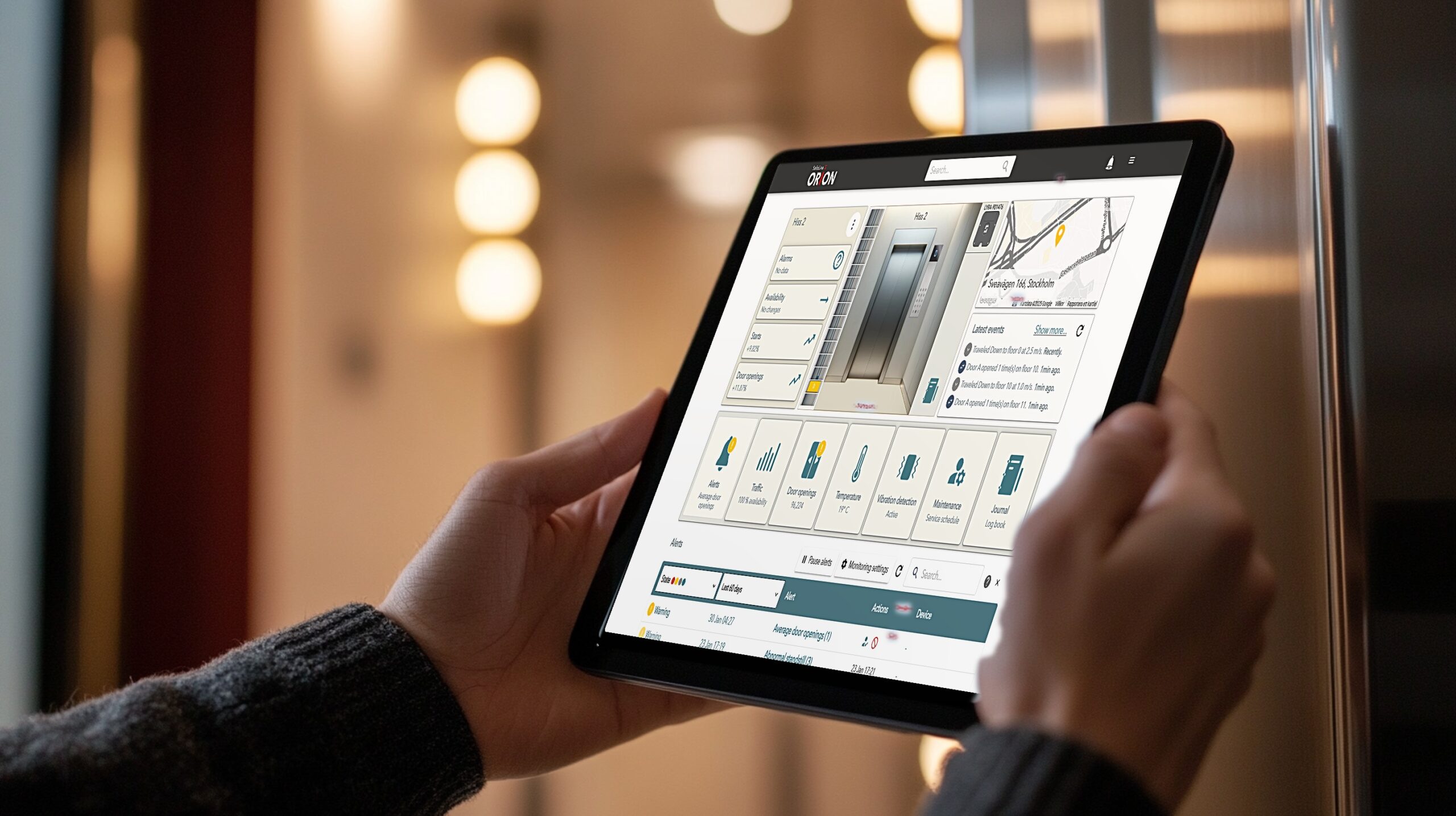
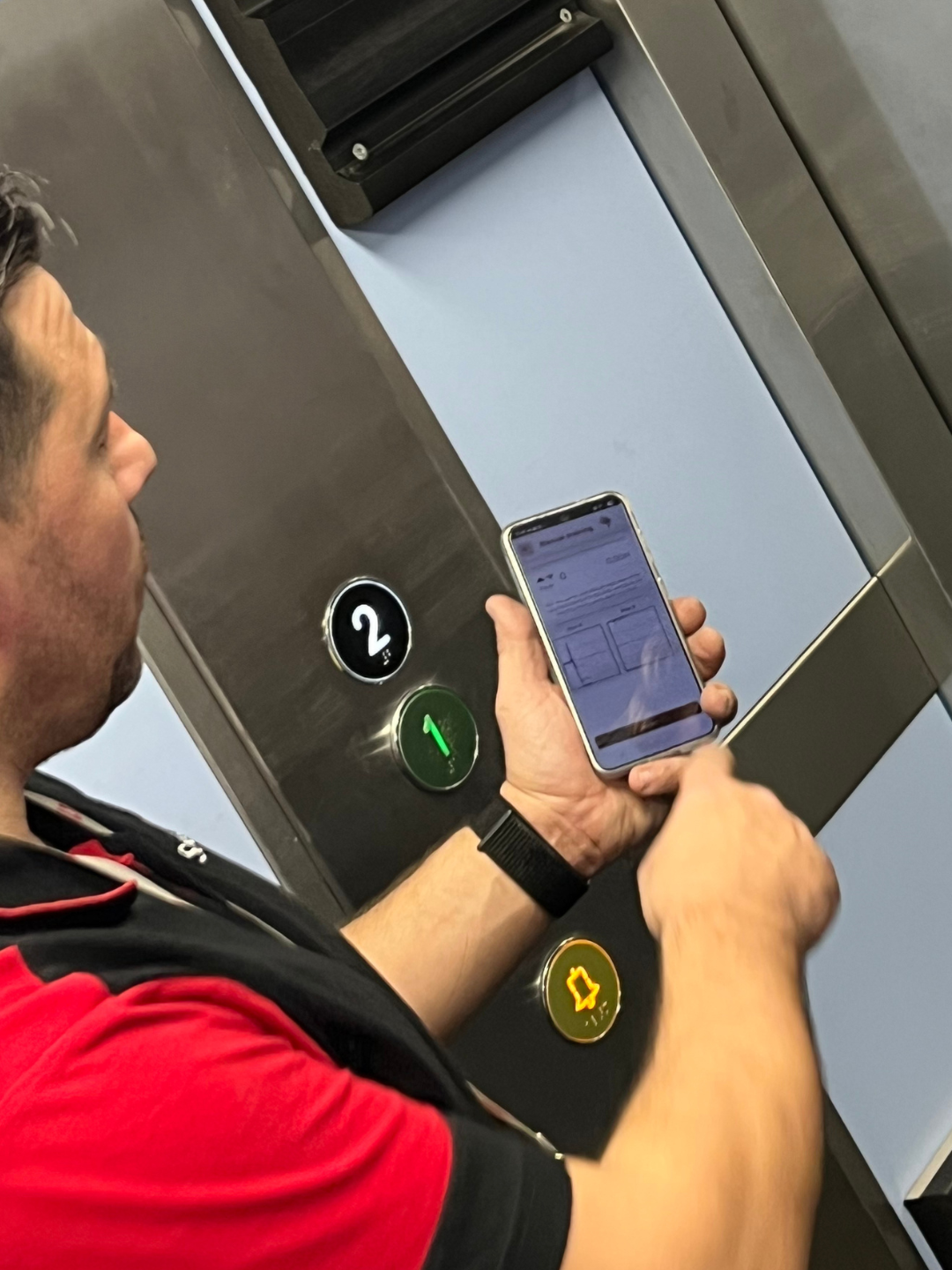
Cybersecurity for Smart Elevators – Securing the Future of Connected Lift Systems

Read more
When elevators go digital, so do the risks. Today’s smart lifts are expected to deliver seamless uptime, remote diagnostics, and integration. But with every connection comes the need for protection – not just from failure, but from intrusion.
In a connected lift, a vulnerability doesn’t just affect data – it can disrupt uptime, compromise access control, or expose core systems to manipulation. For manufacturers, service providers and property owners, secure-by-design architecture is now essential for operational continuity.

Cybersecurity Risks in Smart Lift Systems – A Fragile Mix of Legacy and Connectivity

  • Unauthorised access to controller-level commands (e.g., resets or overrides)
  • Bridging vulnerabilities between the elevator network and broader building IT systems
  • Lack of authentication on service ports or remote tools
  • Unsecured integrations with building management platforms or cloud services

Securing smart elevators in practice

  • End-to-end encrypted communication between controllers and remote platforms
  • Role-based access control for service personnel and integrators
  • Secure firmware update routines with code signing and rollback validation
  • Physical security around cabinets and external ports
  • Comprehensive logging and traceability of system events
Equally important is a structured approach to patching, threat monitoring, and ongoing risk assessment.

Collaboration is key

Built-in protection is no longer optional

embedded protection, hardened communication protocols, and transparent support for integration isn’t just about security – it’s about future-proofing the core of your vertical infrastructure.

How SafeLine supports secure smart elevator operations

  • Encrypted communication protocols to secure data and commands
  • Controlled firmware architecture with validated update flows
  • Access control for authorised technicians
  • Support for segmented network environments and open integration
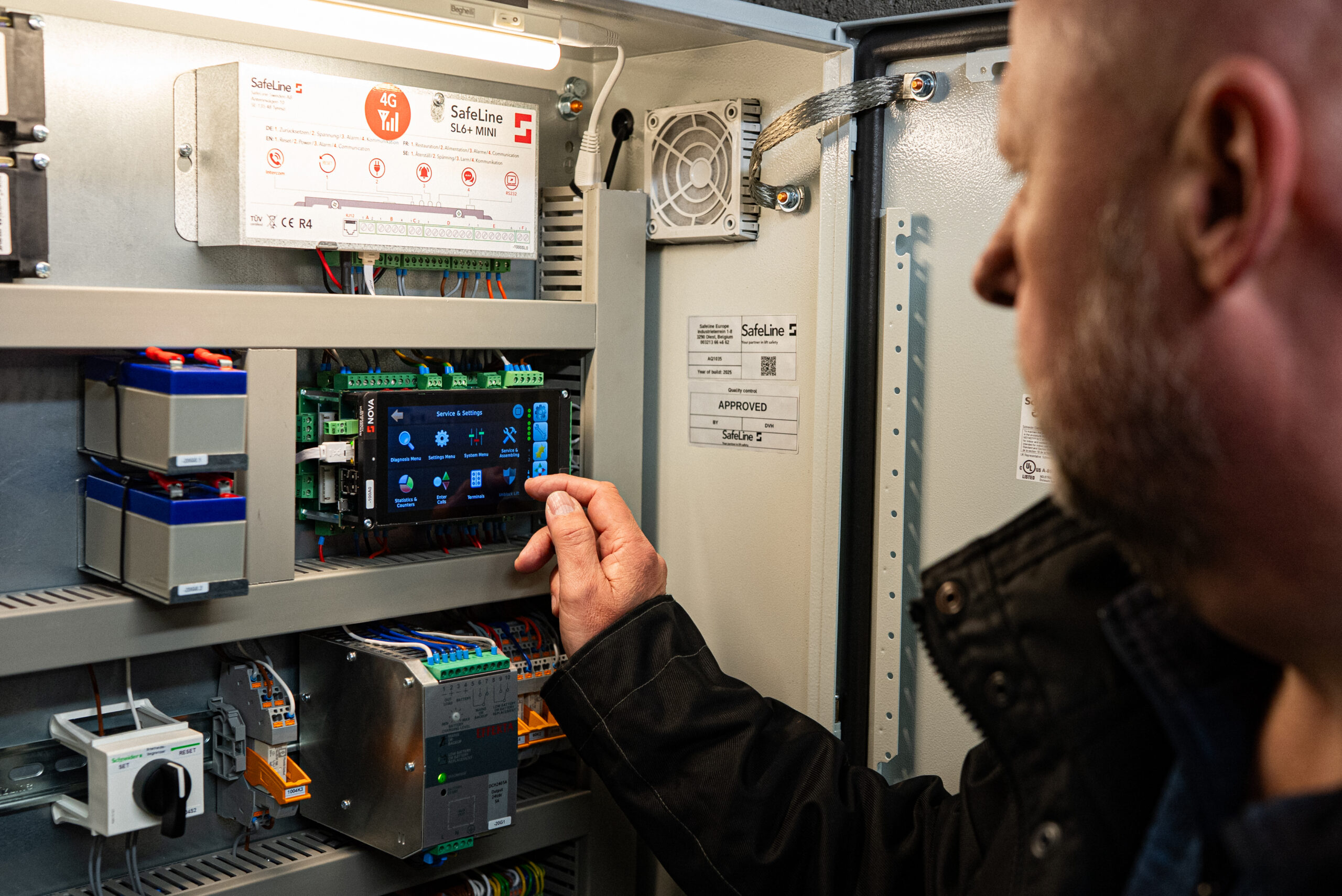
Why cybersecurity matters in modern lift monitoring. Need to ensure cybersecurity in your smart elevator systems? Book a demo →

Frequently asked questions

What are smart lifts?

Smart lifts use digital controls, sensors, and network connectivity to manage traffic, report faults remotely, and integrate with building management systems. They replace traditional relay-based controls with IP-connected units that can be monitored and updated without an on-site visit.

Why is cybersecurity important for smart lifts?

Connected lift controllers are accessible over remote networks. Without proper security controls, an attacker could disrupt service, intercept emergency alarm calls, or use the lift network as an entry point to other building systems.

How can smart lifts be protected from cyber threats?

Key measures include encrypted communication protocols, validated firmware update flows restricted to authorised sources, access controls limited to certified technicians, and segmented network environments that isolate lift systems from other building IT.

Can lifts be hacked?

Any networked device can be targeted. Lifts with unencrypted remote access, default credentials, or outdated firmware are most exposed. Modern lift monitoring units should use hardened protocols and signed firmware to reduce attack surface.

Is it safe to perform remote updates on lift controllers?

Yes — provided firmware updates follow validated signing and delivery flows. SafeLine's architecture ensures only verified updates are applied, with protection against failed deployments.

Want to learn more about SafeLine Orion?

Resources

Predictive vs preventive lift maintenance: what is the difference?

Preventive lift maintenance runs on a schedule. Predictive runs on data. Here is what each approach costs, where each works, and how to choose.Key search...
Lift emergency telephone panel showing EN 81-28 compliant two-way communication system

EN 81-28 explained: lift emergency phone compliance in the UK

EN 81-28 governs lift emergency telephone compliance across Europe. What it requires, who is responsible, and how to
prove it continuously.

From reactive response to real-time control — King’s College Hospital NHS Foundation Trust, London

Case Study · Healthcare · UK · King’s College Hospital NHS Foundation TrustConnected lifts across 4 NHS sitesReduction in lift outagesReduction in emergency...

From reactive call-outs to data-led lift management — Pickerings and SafeLine LYRA

Pickerings connected 41 hospital lifts to SafeLine LYRA and Orion, moving from reactive call-outs to data-led lift monitoring. See the data, challenges and...

Resources