When lifts go digital, so do the risks. Today’s smart lifts are expected to deliver seamless uptime, remote diagnostics, and integration. But with every connection comes the need for protection – not just from failure, but from intrusion.
In a connected lift, a vulnerability doesn’t just affect data – it can disrupt uptime, compromise access control, or expose core systems to manipulation. For manufacturers, service providers and property owners, secure-by-design architecture is now essential for operational continuity.
Cybersecurity Risks in Smart Lift Systems – A Fragile Mix of Legacy and Connectivity
- Unauthorised access to controller-level commands (e.g., resets or overrides)
- Bridging vulnerabilities between the lift network and broader building IT systems
- Lack of authentication on service ports or remote tools
- Unsecured integrations with building management platforms or cloud services
Securing smart lifts in practice
- End-to-end encrypted communication between controllers and remote platforms
- Role-based access control for service personnel and integrators
- Secure firmware update routines with code signing and rollback validation
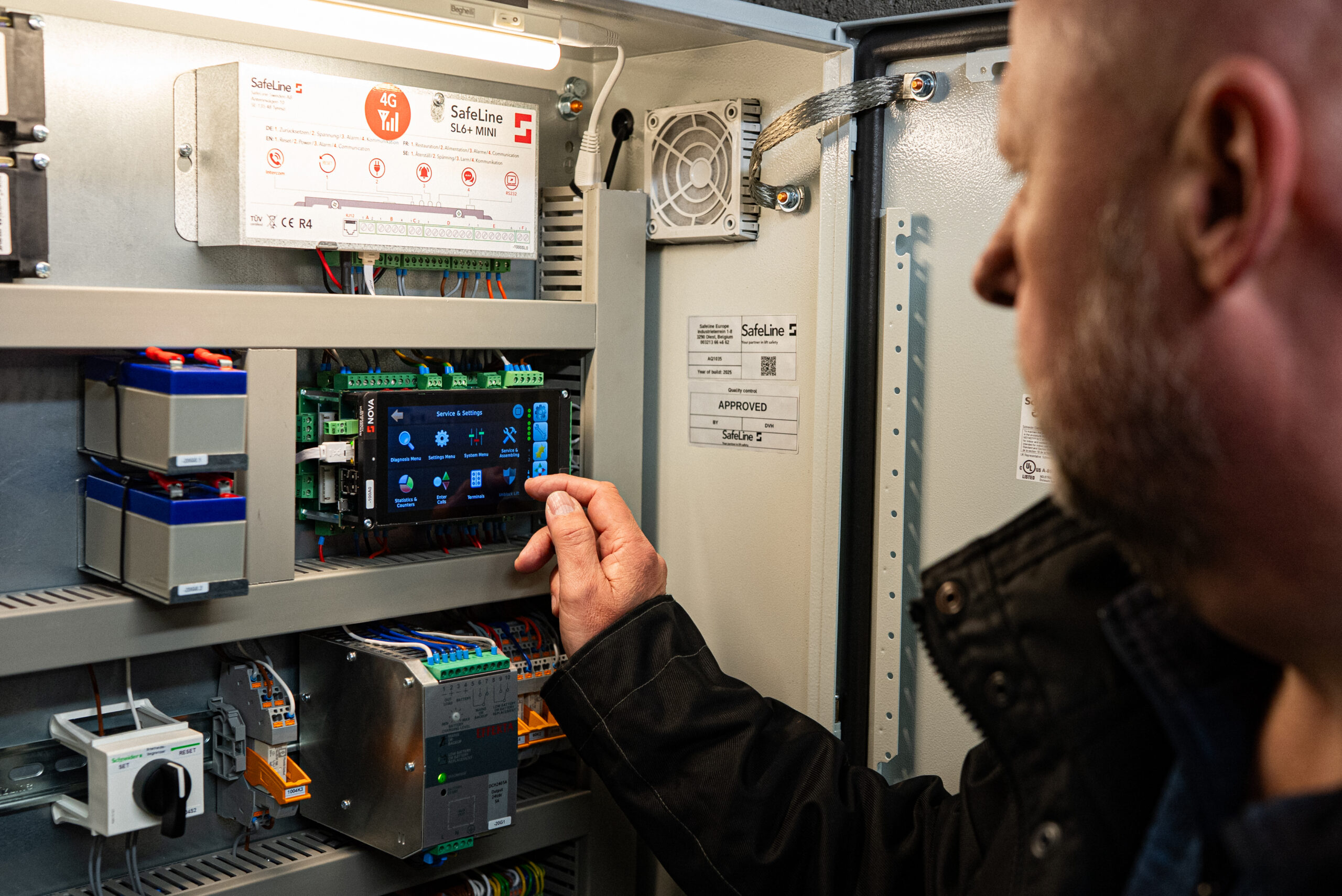
- Physical security around cabinets and external ports
- Comprehensive logging and traceability of system events
Collaboration is key
Built-in protection is no longer optional
embedded protection, hardened communication protocols, and transparent support for integration isn’t just about security – it’s about future-proofing the core of your vertical infrastructure.How SafeLine supports secure smart lift operations
- Encrypted communication protocols to secure data and commands
- Controlled firmware architecture with validated update flows
- Access control for authorised technicians
- Support for segmented network environments and open integration