Outdated Maintenance Models Cost More Than You Think
For decades, lift maintenance has relied on scheduled checkups and emergency repairs. In today's data-driven world, that model leads to unnecessary service visits, preventable breakdowns, and ballooning operational costs. Usage data from SafeLine systems shows that up to 25% of all service visits are unnecessary– wasting technician hours, budget, and tenant goodwill.
The core problem: when you can only see a lift's condition after something goes wrong, every decision is made too late.
The Shift to Predictive Lift Maintenance
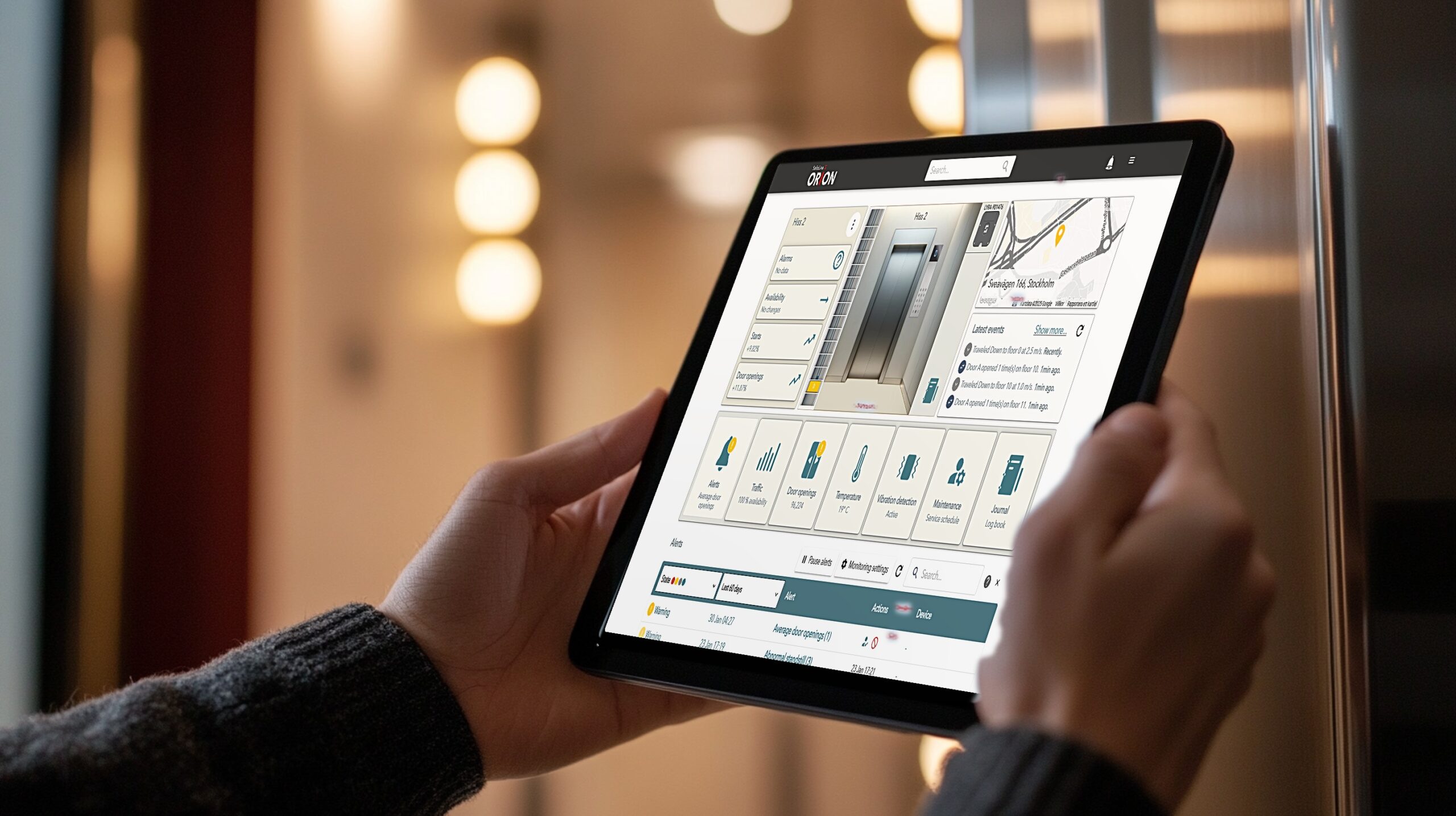
Modern lift maintenance services are moving toward real-time, predictive strategies powered by monitoring platforms like SafeLine Orion. By tracking actual lift performance continuously, you detect early signs of wear or failure – and act before problems escalate into breakdowns.
Key benefits of a predictive approach:
- Lower service costs through needs-based, not schedule-based, interventions
- Fewer disruptions with early fault detection before tenants notice
- More efficient use of technician time – right fix, first visit
- Extended equipment lifespan through earlier wear detection
- Better tenant experiences and fewer complaints
A Real-World Example
One of Europe's busiest shopping centres implemented SafeLine Orion across its lift portfolio. Within the first year:
- 40% reduction in emergency callouts
- Over 200 technician hours saved annually
That's not a marginal improvement – it's a structural change in how lift operations are managed.
What to Look for in a Lift Maintenance Provider
Not all lift maintenance services are built for the predictive era. When evaluating a platform, prioritise these four qualities:
- Brand independence– works across all lift manufacturers, not locked to one
- Real-time visibility– immediate access to performance data, not weekly reports
- Regulatory compliance– EN81, NIS2, and GDPR alignment built in
- Transparent, actionable insights– data you can act on, not just archive
Upgrade Your Maintenance Strategy
From proactive monitoring to compliance-ready reporting, SafeLine Orion offers a complete platform for smarter lift maintenance – built to adapt to your building's needs and work alongside your existing service provider.
What is predictive lift maintenance?
Predictive lift maintenance uses continuous sensor monitoring to detect early signs of component wear or failure – before they cause a breakdown. Rather than sending a technician on a fixed schedule, you act when the data shows an issue developing. SafeLine Orion provides that data in real time, across every lift in your portfolio.
How much of lift maintenance cost can be reduced with predictive monitoring?
SafeLine data shows up to 25% of service visits are unnecessary under a standard schedule-based contract. By shifting to needs-based interventions, building owners typically reduce emergency callouts by 30–40% in the first year. The exact saving depends on portfolio size and current maintenance frequency, but the direction is consistent.
Does predictive maintenance replace my existing lift service contract?
No. SafeLine Orion works alongside your existing service provider. The monitoring data goes to you – you decide who sees it. Most building owners share the dashboard with their contractor, improving response quality and accountability without ending the service relationship.
Is SafeLine Orion compatible with all lift brands?
Yes. SafeLine LYRA installs non-invasively on the lift car roof and has no connection to the lift's control system. It works across all manufacturers and lift types, regardless of age. There is no manufacturer lock-in and no certification implications from installation.
What regulatory standards does predictive lift monitoring satisfy?
SafeLine Orion generates automatic EN81-28 compliant emergency call logs, supports NIS2 cybersecurity requirements (no connection to lift control systems), and is GDPR-compliant. For building owners managing compliance obligations, the platform provides a verifiable, timestamped record of every monitored event.