Maximizing your elevator lifespan

Read more

A long elevator lifespan doesn’t happen by chance – it’s engineered. And in high-demand environments, software makes the difference. Because no matter how solid the mechanical system is, without intelligent control and early insight, its lifespan will suffer. That’s why more and more teams turn to lift controllers that are built for precision, performance, and predictive diagnostics – not guesswork.

Early detection is key to longer system life

Many elevator failures begin with small shifts in performance – a delay in door operation, a subtle brake imbalance, a change in acceleration. These early signs often go unnoticed until they become costly.

With real-time monitoring from a modern lift controller, building operators and service teams can detect:

  • Unbalanced mechanical wear
  • Environmental stress factors
  • Variations in travel speed and timing
  • Irregular power usage or control signals

Addressing these issues early helps prevent secondary damage and protects overall elevator lifespan.

From scheduled service to condition-based action

Traditional maintenance schedules don’t reflect how systems are actually used. Predictive diagnostics enable a shift to condition-based servicing, helping you:

  • Align service intervals with component status
  • Avoid unnecessary part replacements
  • Identify potential failures before they impact users

This approach reduces unplanned downtime and supports a longer, more stable operational life for the elevator.

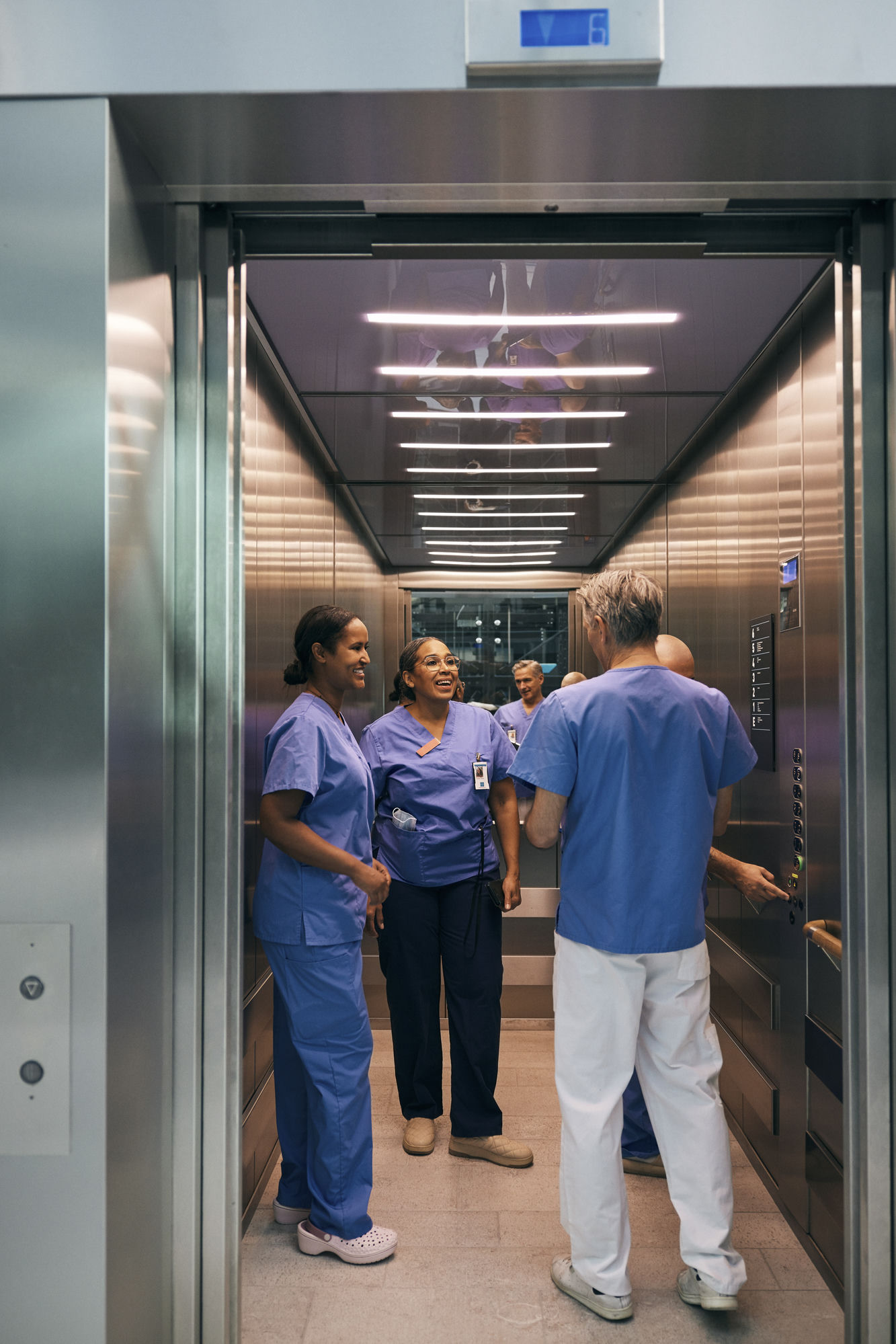
View of a transparent lift with a passenger, representing strategies for maximizing elevator lifespan.

Why legacy controllers shorten elevator lifespan

Older control systems often lack diagnostic insight, integration capability and secure connectivity. This limits your ability to:

  • Monitor system health over time
  • Understand usage patterns
  • Detect anomalies before they escalate

Without these capabilities, faults are caught too late – and lifespan is lost to preventable wear. Upgrading the controller is one of the most effective ways to extend your elevator’s life.

Choosing technology that supports long-term performance

Maximizing elevator lifespan depends on more than just maintenance.

It requires:

  • Robust, future-ready control systems
  • Continuous performance data
  • Integration with modern building infrastructure
  • A maintenance team supported by actionable insight
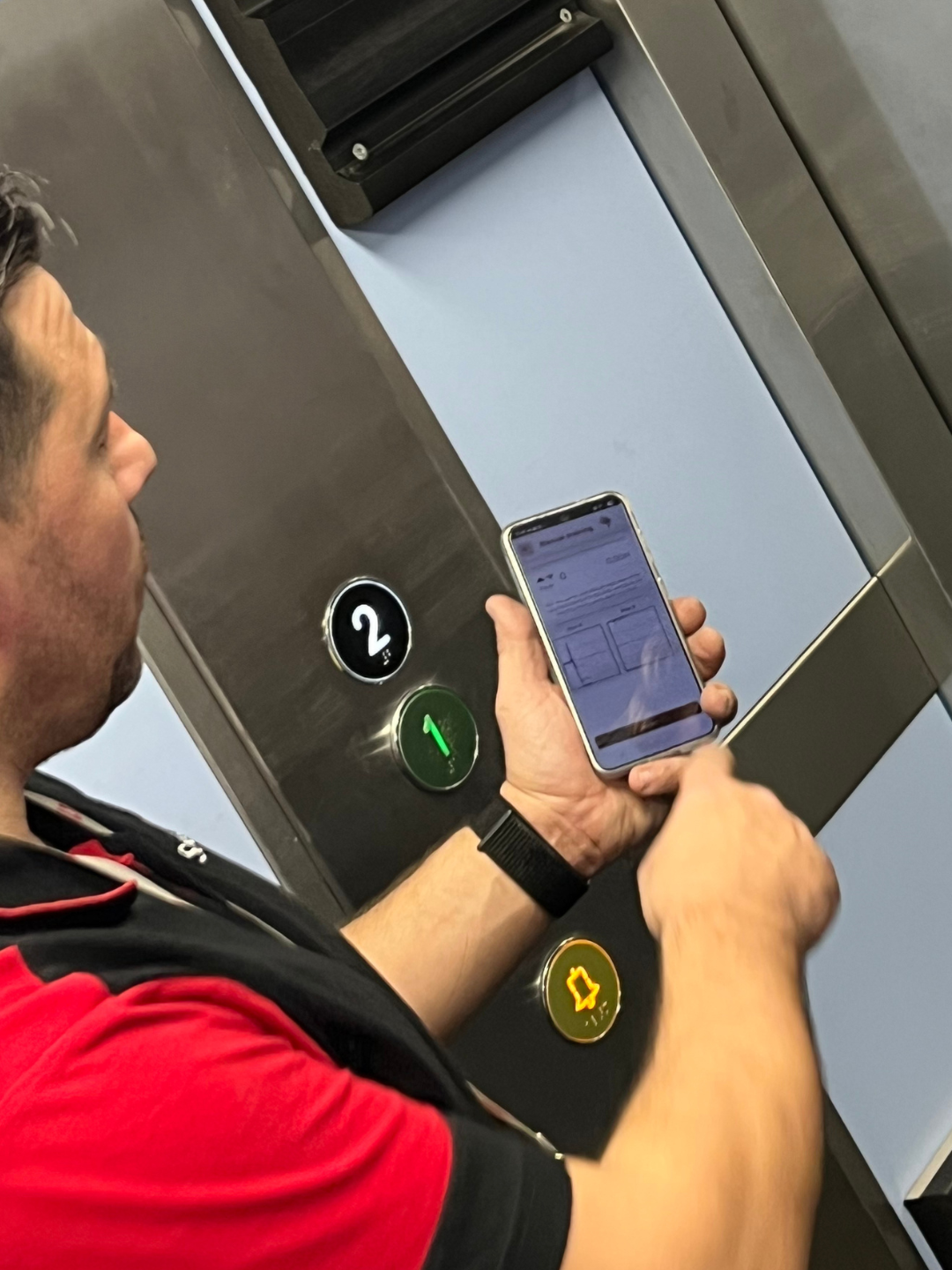
At Safeline, our controllers are designed to meet these needs from day one – with secure architecture, smart diagnostics, and seamless retrofit support.

Whether you’re managing a residential portfolio, a hospital, or a public facility, Safeline gives you the tools to extend elevator life with less guesswork and greater control.

Want to improve uptime and extend the life of your elevator systems?

Talk to us about the right control solution for your building – or explore our product range for smarter upgrades.


FAQ

How can I extend my elevator’s lifespan?
Use a controller with real-time diagnostics, perform condition-based maintenance and act on early warning signs. Monitoring data is essential to preserving elevator lifespan.

What’s the average elevator lifespan?
With proactive maintenance and timely upgrades, elevators can operate reliably for 20–30 years. Controllers and moving components may require replacement earlier based on usage.

Do I need to replace the entire system to improve elevator lifespan?
Not necessarily. Upgrading the controller can deliver modern diagnostics and performance benefits without replacing the entire lift installation.

How does predictive maintenance impact elevator lifespan?
It helps detect issues before they cause damage, extend component life, and reduce overall system stress – all of which contribute to longer service life.

Is controller technology really a limiting factor in elevator lifespan?
Yes. Outdated controllers make it harder to see how the system is performing, delaying service decisions and increasing wear. A modern controller extends both visibility and control.


Want to learn more about SafeLine Orion?

Resources

Case study – Heba Property Manager

Heba Property AB transitioned from reactive elevator maintenance to proactive early warning with SafeLine Orion. By equipping elevators with IoT sensors and using...

SafeLine appoints Stuart Garcia to Group Management Team

Stockholm / Manchester / London, 10 February 2026 SafeLine appoints Stuart Garcia to Group Management Team SafeLine Group has appointed Stuart Garcia, CEO of SafeLine...

City of Stockholm — “How is my lift really doing?”

City of Stockholm uses SafeLine Orion to move from guesswork to data—tracking lift performance over time, reducing misunderstandings, saving time and costs, and...
A lift

Lift trends: where is the industry heading?

Discover the key lift industry trends to 2030 — from 2G/3G phase-out and 4G migration to IoT, AI-assisted service, and data-driven maintenance. We outline how EU...

Resources