
City of Stockholm – “What’s the true condition of our lifts?”
Case Study · Public Sector · Sweden Read moreCase Study · Public Sector · Sweden · City of Stockholm
Connected lifts
New installations in progress
20+
Escalators in PoC (Kulturhuset)
The Challenge
When decisions are driven by experience, not evidence.
When lift issues are described through experience rather than evidence, it’s easy for decisions to be driven by gut feeling. For the City of Stockholm, that meant spending time clarifying what had actually happened – sometimes making decisions based on incomplete information.
This was especially important when communicating with tenants and municipal operations such as Stockholm City Theatre, the Sports Administration, and various district administrations.
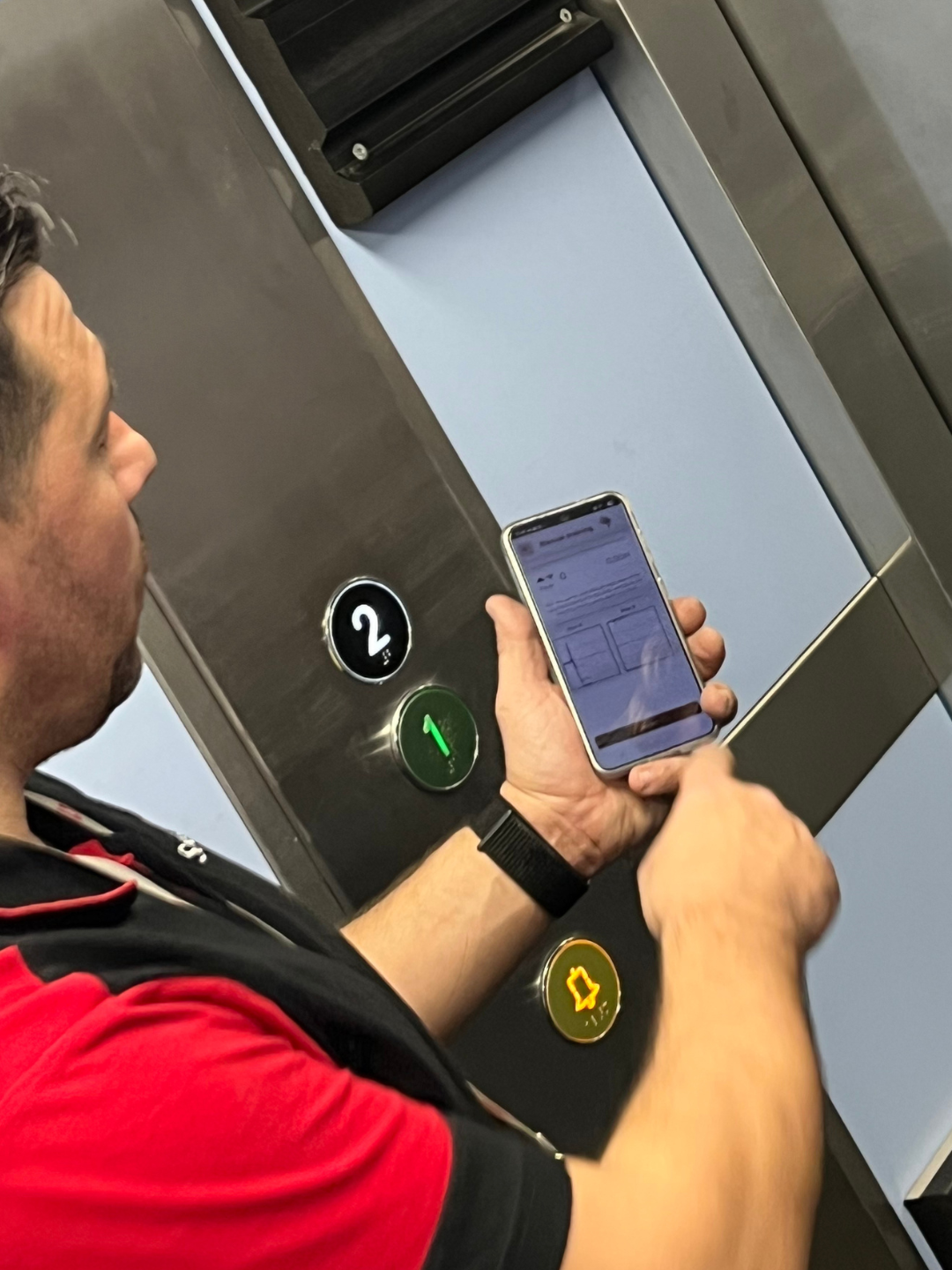
“A quick snapshot of what it really looks like – for real.”
– Staffan Ramstedt, Technical Specialist & Lift Coordinator, City of Stockholm

What we did
SafeLine Orion – from guesswork to data-backed decisions
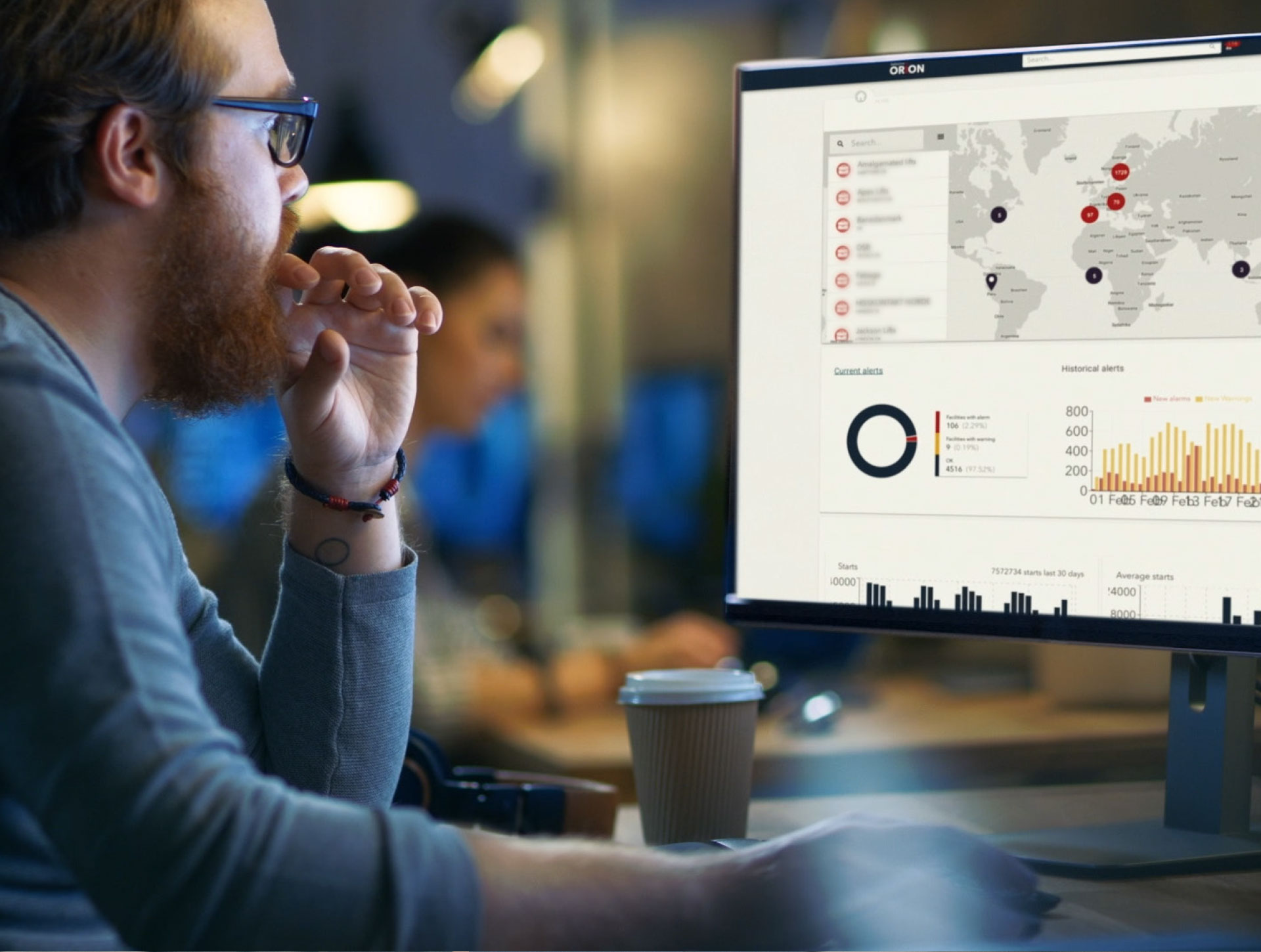
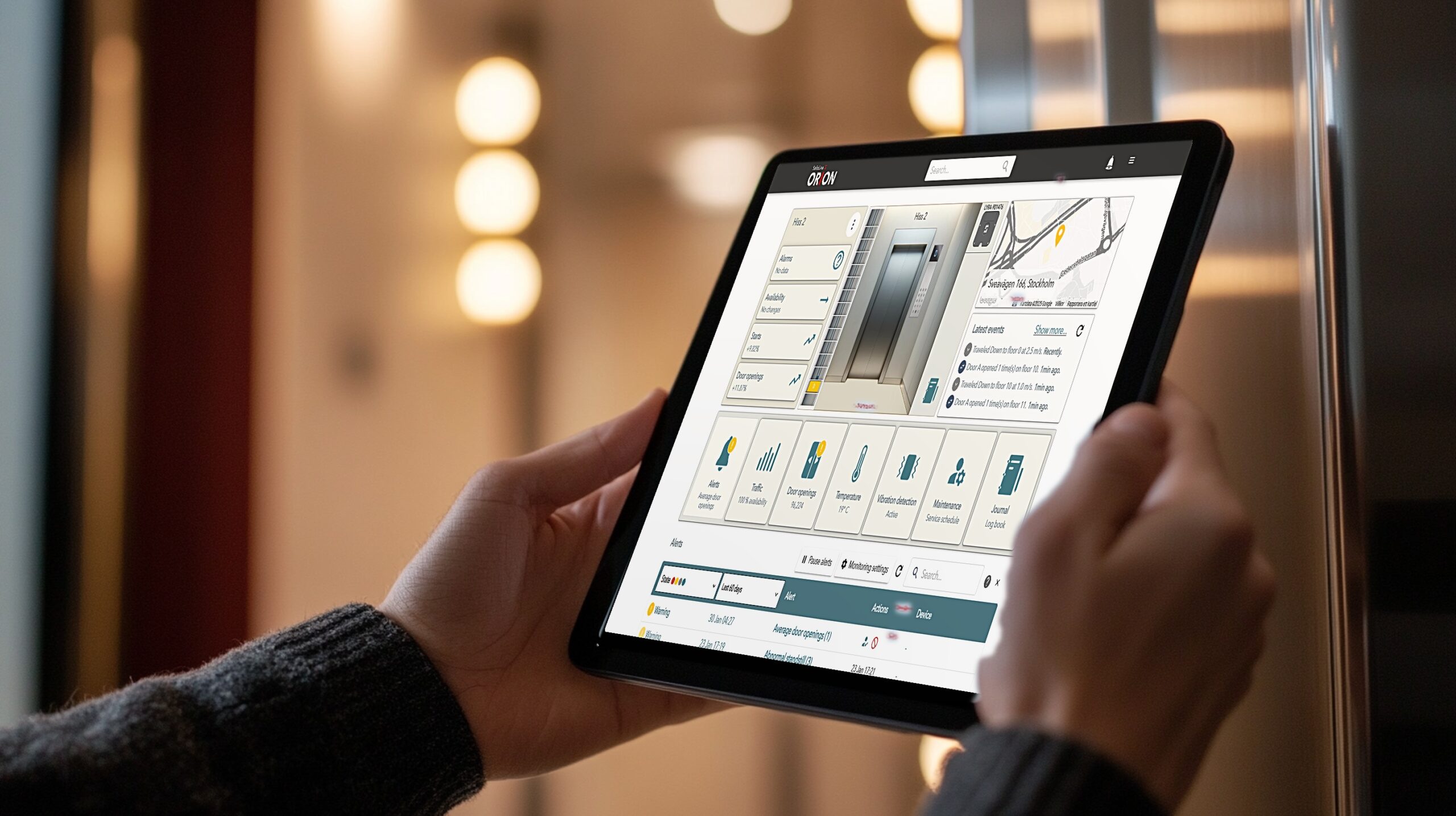
Instead of relying on assumptions, Staffan Ramstedt can now see – in one place – what each lift’s health has looked like over time.
Complete lift history
See exactly how each lift has performed over any time period – when issues occurred, how often, and whether the lift was running well or struggling.
Real-time portfolio view
Know the status of every lift across the entire portfolio at any given moment. No calls, no emails – just clear, current data in one dashboard.
Fact-based reporting
Replace guesswork with objective data when talking to contractors and tenants. Present facts in black and white – not opinions – and make better decisions faster.
Early anomaly detection
Orion detects patterns before issues become disruptions. Identify a sticky button, a door that opens too often, or a lift that ‘struggled’ – before tenants call.
Results & Business Impact
From guesswork to clarity – at scale.
Orion has become a practical decision-support tool in day-to-day operations – a reliable snapshot of the real situation across 32 connected lifts, with 20+ more in progress.
DOWNLOAD
Take the full case study with you.
See how SafeLine Orion and Lyra have provided greater visibility and control across the City of Stockholm– including the data, the challenges, and the outcomes.
Fill in the form to download the case study.
Ready to digitize your lift portfolio?
Join property managers already using Orion to shift from reactive to proactive.
Resources
What is CAN bus? How CANopen-Lift works in lift control systems
Predictive vs preventive lift maintenance: what is the difference?

Lift emergency phone regulations in the UK: EN81-28 explained
EN81-28 governs lift emergency telephone compliance across Europe. What it requires, who is responsible, and how to
prove it continuously.