The lift industry is moving from reactive repair to data-driven maintenance. By 2030, connected lifts and predictive service will be standard, not the exception.
Four forces are driving the shift: legacy 2G, 3G and PSTN connections are being retired, sustainability rules are tightening, cybersecurity obligations are rising, and lift standards now assume digital alarm and monitoring. This guide sets out what each change means, and how to prepare the lifts you already have in the field.
From reactive repair to data-driven maintenance
A fixed service schedule tells you when a lift should be serviced. Real-time data tells you whether it actually needs it.
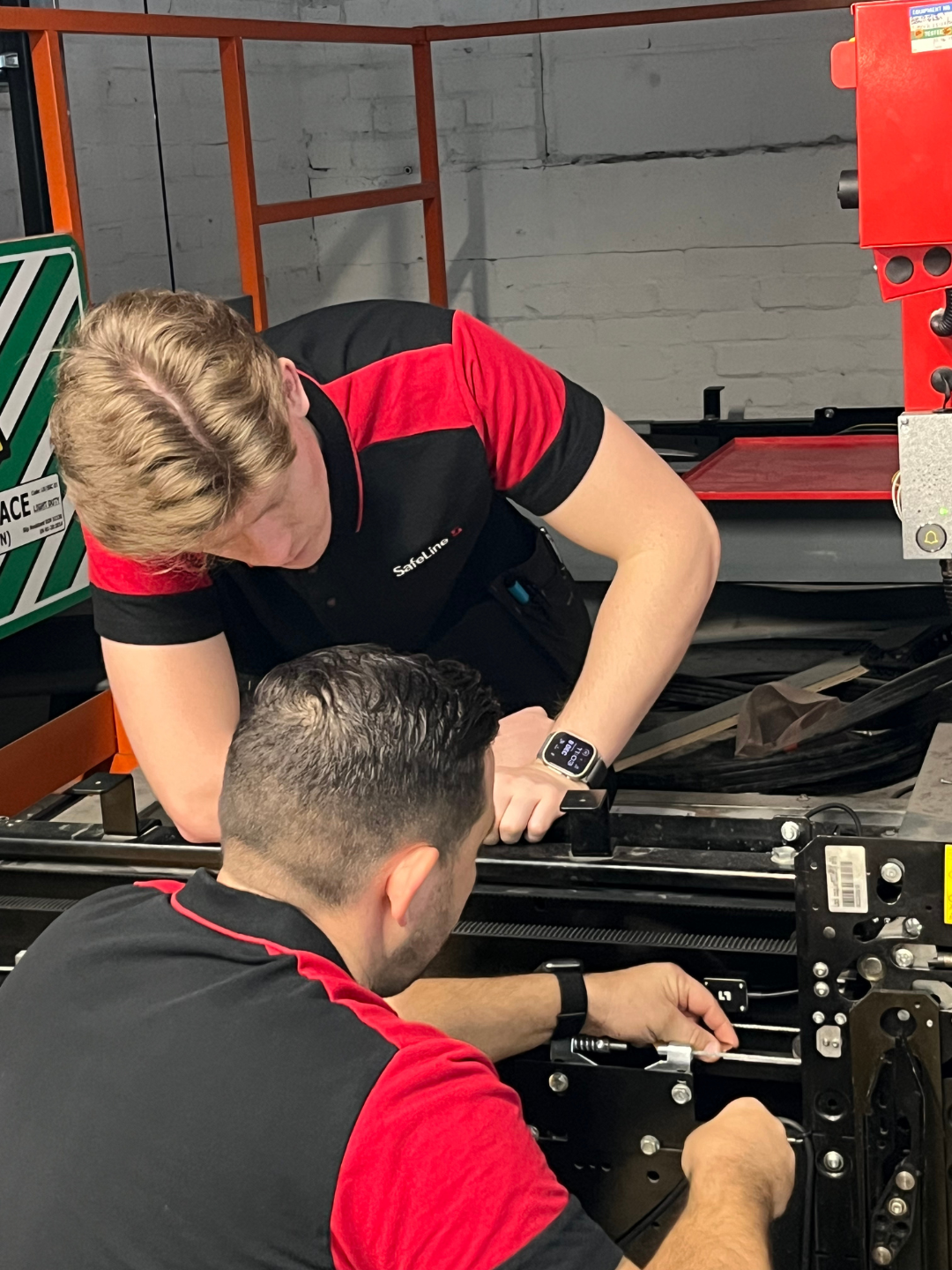
With sensors and a monitoring platform, service teams spot issues early, plan work around real condition, and cut unnecessary visits. The result is fewer callouts, better use of technicians, and lower lifetime cost. It also changes the service relationship: the supplier delivers ongoing value rather than only selling a product.
What is driving the change
Connectivity is migrating. As 2G, 3G and PSTN networks retire, every lift with a legacy connection needs to move to 4G or LTE. A managed SIM keeps that connection reliable across networks. Timelines vary by country, so the practical step is to audit which of your lifts still depend on old connectivity and plan the move.
Sustainability reporting is tightening. Under the CSRD, organisations have to show measurable environmental outcomes across energy use, resources and product lifecycles. Lift data feeds that record: energy profiles, longer equipment life and fewer site visits are all reportable outcomes.
Cybersecurity is now infrastructure. NIS2 and IEC 62443 set requirements that reach from remote administration to supplier relationships. A connected lift becomes part of a building's security perimeter, so access control, firmware management, monitoring and audit trails matter from the first design decision.
Lift standards assume digital. EN81-28:2022 covers remote alarm and monitoring for lifts and pushes the sector towards connected equipment that can be tested and logged remotely.
AI-assisted service
Data, cloud platforms and machine learning increasingly support service planning before a technician arrives. Combining diagnostic logs, alarm data and maintenance history allows preliminary fault diagnosis, a recommended action, and a parts list ready in advance. That means better scheduling, more first-visit fixes, and fewer wasted trips.
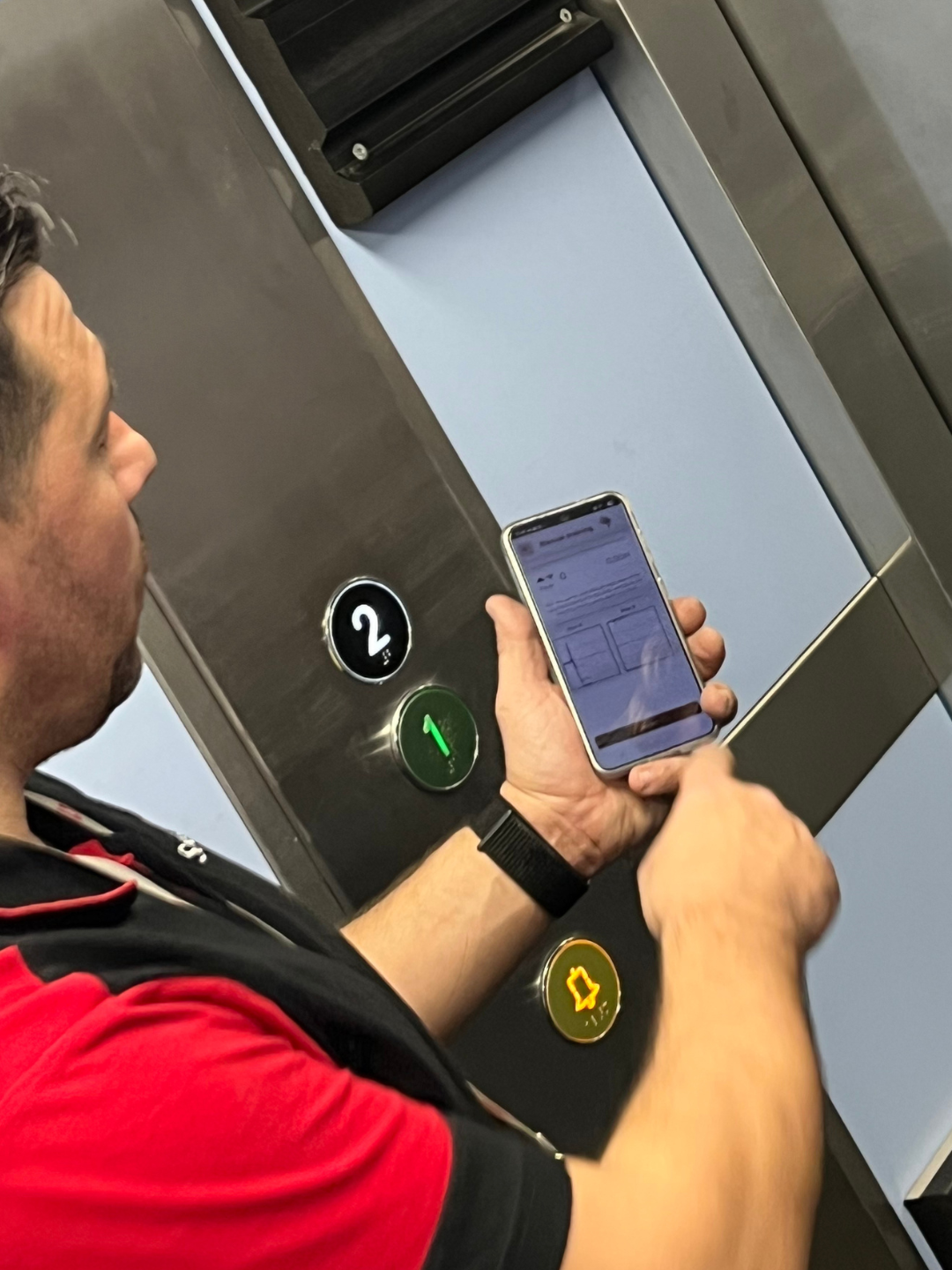
With SafeLine Nova, a lift controller connected to SafeLine Orion, most faults can be diagnosed and resolved remotely, without a site visit.
How to prepare: a five-step roadmap
Organisations that handle this well tend to follow the same order.
- Audit the installed base: lift model, communication module, SIM and APN, and energy profile.
- Migrate to 4G or LTE ahead of network retirement dates.
- Standardise parts, software versions and technical data so upgrades scale across an estate.
- Integrate operational data into facility-management and monitoring systems for predictive maintenance and sustainability reporting.
- Build security in: network segmentation, system hardening, patch management and audit trails from the start.
Where SafeLine fits
SafeLine Orion is a brand-independent monitoring platform. It shows the live status of every lift in a portfolio, records and timestamps events, and keeps the data with the building owner rather than the service provider. SafeLine LYRA collects operational data from the lift car roof and sends it to Orion, so a mixed-brand estate of any age can be monitored from one platform, without connecting to the lift's control system.
For emergency communication, Orion also holds the compliance record. EN81-28 emergency-call compliance relies on three parts working together: SafeLine SIM for connectivity, the SL6 to trigger the emergency and test calls, and Orion to log and timestamp them. No single component delivers compliance on its own.
For the installed base, the SafeLine hardware family carries the migration. SL6 Orion upgrades SL6 units already in the field over firmware, provided the unit has the 4G module, so alarm identification moves to digital signalling without a hardware swap. GLX brings older devices on legacy PSTN lines into Orion, so their compliance record moves to the platform without changing the telephone in the cabinet.
Organisations that make these changes now will set the standard others follow. SafeLine works alongside its customers and partners through the transition.
Henrik Gyllander, CEO, SafeLine Group