Why maintenance is hard to verify from a report alone
Most building owners receive maintenance information as a written report. It is produced by the company that carried out the work, usually after the visit, and often covers several months at once. That is the standard way the industry works, and for routine servicing it is generally sufficient.
The challenge comes when a specific question needs a specific answer. Did the emergency telephone connect on a particular date? How long was the lift out of service last quarter? When was the alarm last tested from end to end? A summary report rarely holds that level of detail, and reconstructing it afterwards depends on records that were never designed to be queried.
What an independent record contains
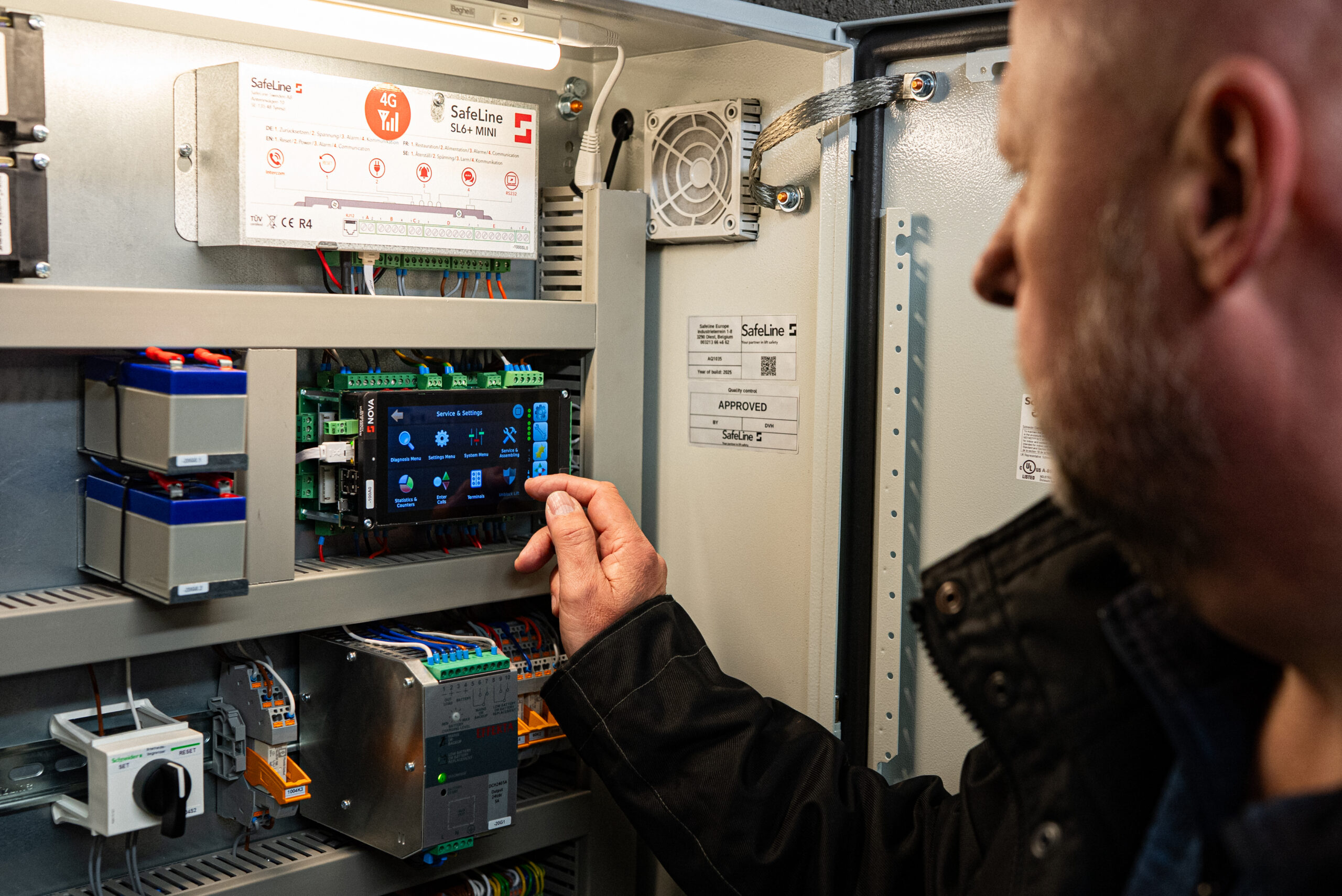
A monitoring platform records events as they happen rather than describing them afterwards. In SafeLine Orion, the record covers the EN81-28 test calls and their outcome, emergency calls and whether they connected, faults and alerts as the lift reports them, and the periods when a lift was unavailable. Each entry carries a timestamp. Events are logged automatically, without manual entry, so the record does not depend on anyone remembering to note it down.
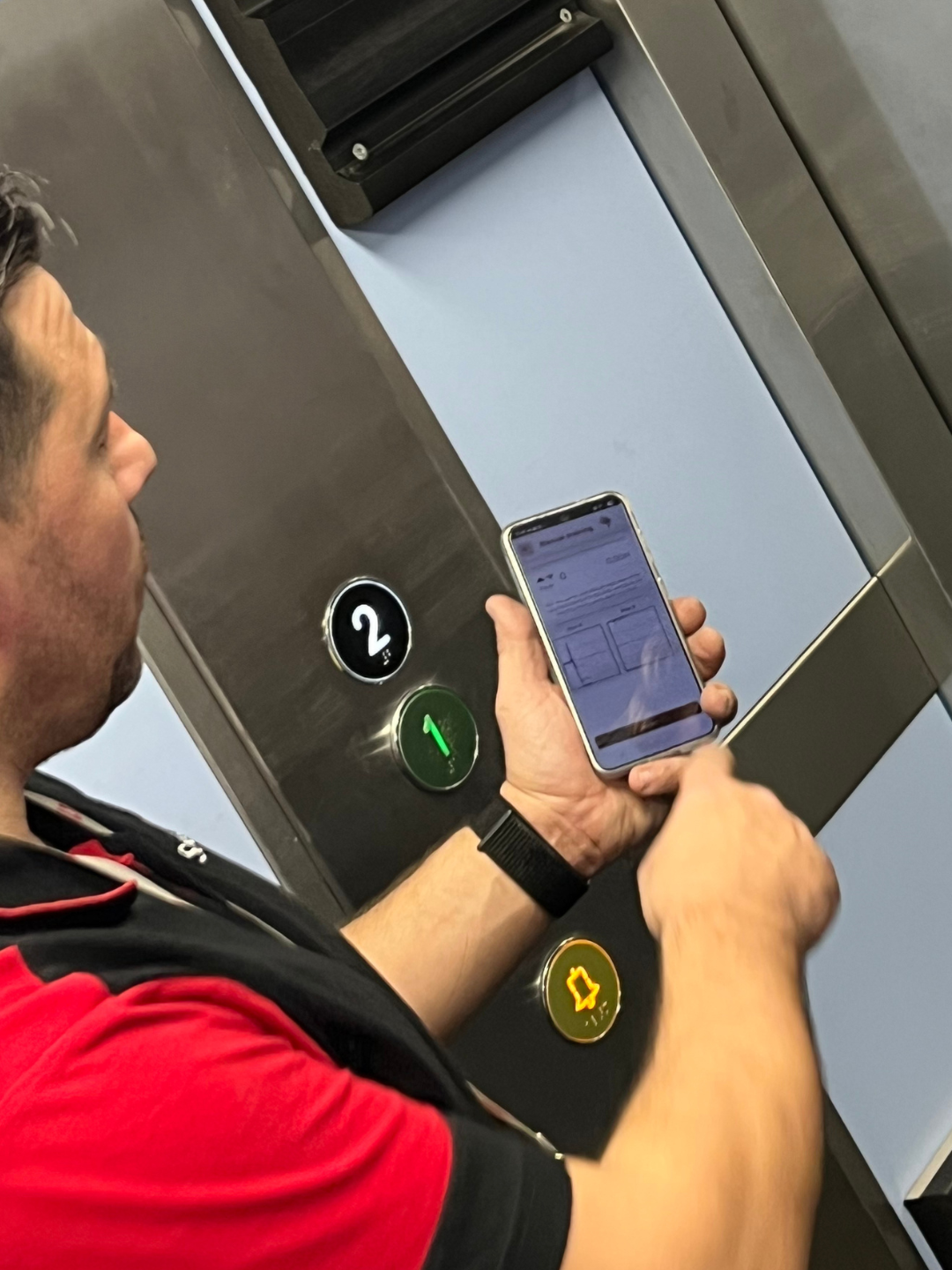
Orion is independent of both the lift manufacturer and the service provider, so the record belongs to the building owner rather than to the company whose work it documents. SafeLine LYRA adds operational data from the lift car roof, covering how the lift actually runs: ride quality, door cycles, and movement patterns. It installs without connecting to the lift's control system, so it works on lifts of any brand or age and adds no risk to how the lift operates.
How the record is used at inspection
In the UK, LOLER 1998 makes the dutyholder responsible for ensuring the lift is thoroughly examined by a competent person at least every six months when the lift carries people. In Sweden, the owner must keep the lift maintained and arrange recurring inspection through an independent accredited inspection body under Boverket's rules.
In both cases the owner is asked to show that the lift has been kept in a safe condition. A timestamped event log answers that directly. The inspector can see when the emergency link was tested, whether it connected, and which faults occurred between visits.
The same data for both parties
An independent record is often described as a way for owners to check up on contractors. That framing misses the more useful point. A service provider who does thorough work benefits from evidence of it. Response times become visible. Repeat faults can be traced to a cause rather than to an assumption. Questions about what was done, and when, are settled by looking rather than by discussing.
Working from one shared dataset also shortens the reporting cycle. The owner does not wait for a summary, and the service provider does not spend time compiling one.
What to ask for
If you're reviewing your current maintenance arrangement, four questions are a good place to start. Is there a record of EN81-28 test calls showing the date, the outcome, and whether the call connected? Can lift availability be seen across a period rather than at a single moment? Is the record accessible directly, without having to request it? And does it cover every lift in the portfolio, regardless of brand or age?
When the answers come from a platform the owner has access to, verification stops being a request and becomes a matter of looking it up.
---
See also: Lift maintenance services: smarter strategies